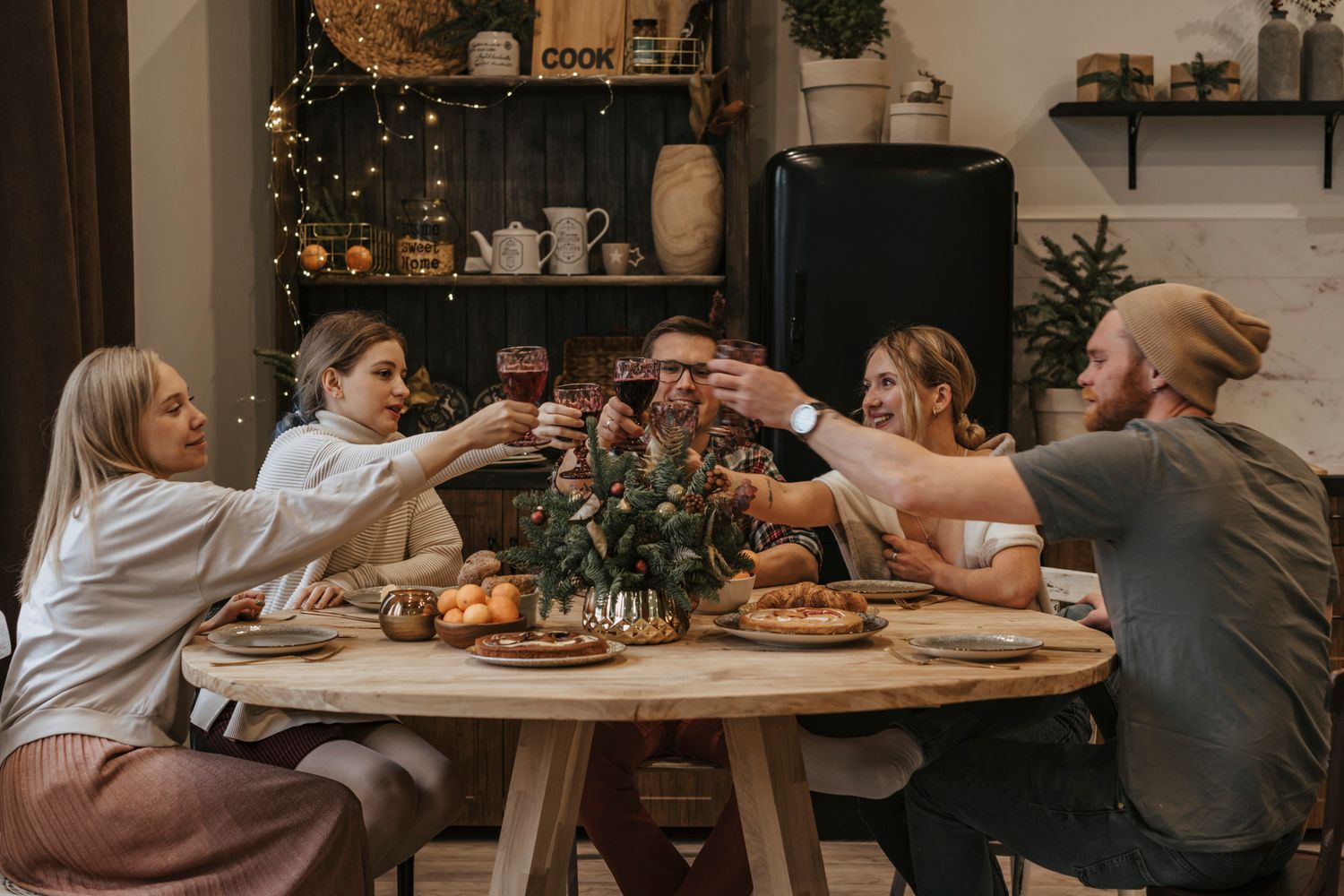
1. Plan for warm weather and a weather change
Bureau of Meteorology long-term Melbourne data shows a December mean maximum of about 24.7°C, with average rainfall around 51.5 mm. Shade and cold water matter, but so does a covered backup area.
Planning Christmas at home? These ideas are built around the way Australians actually celebrate in December: summer weather, backyards, casual food, games, music and long evenings outside. Melbourne-specific weather and residential-noise notes are highlighted, while most of the ideas work anywhere in Australia.
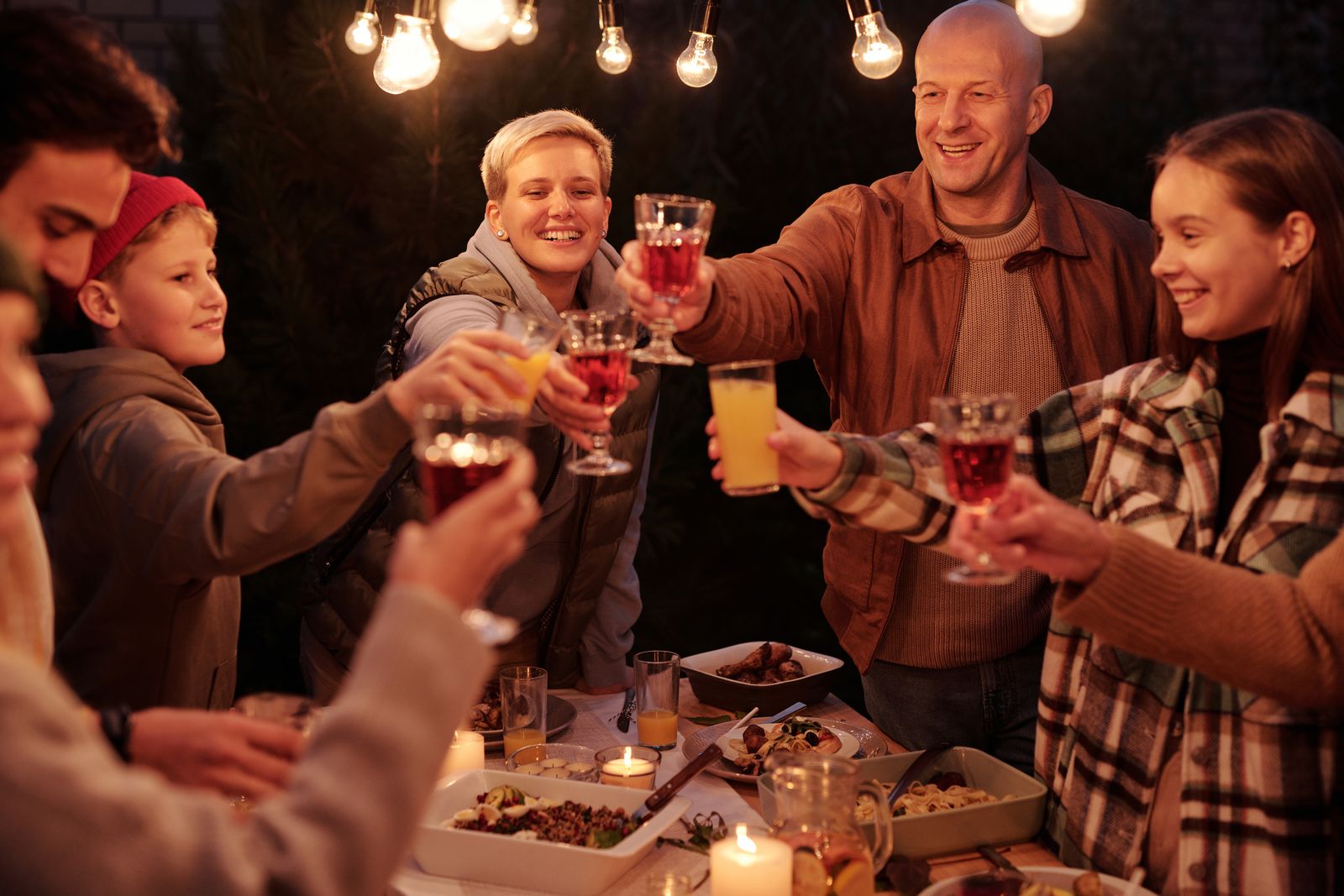
Choose the closest match. The tool gives you a simple setup so you can spend less time over-planning and more time deciding what your guests will actually enjoy.
Melbourne Christmas parties are often outdoors, but December is not automatically hot and dry. A useful plan needs comfort, a weather switch and a sensible approach to residential noise.
Bureau of Meteorology long-term Melbourne data shows a December mean maximum of about 24.7°C, with average rainfall around 51.5 mm. Shade and cold water matter, but so does a covered backup area.
EPA Victoria treats music and parties as residential noise. Do not build your night around “we can be loud until X o’clock”. Keep speakers pointed into your property, manage bass and give neighbours a heads-up when appropriate.
Separate food, seating and the highest-energy activity instead of putting everything in one corner. Guests move more naturally, quieter conversations survive and the host spends less time rearranging furniture.
Whether you are in Melbourne, Sydney, Brisbane, Adelaide, Perth or another Australian city, the most useful difference from many overseas Christmas guides is the season. Outdoor shade, chilled drinks, sunscreen, airflow and a simple wet-weather alternative often matter more than winter-style styling.
Food safety matters too. Victorian Department of Health guidance recommends keeping cold food at 5°C or colder and hot food at 60°C or hotter, and limiting the time high-risk food spends in the temperature danger zone. For a home party, the practical version is simple: put smaller amounts out, refill from the fridge or esky, and do not leave perishable food sitting in summer heat for the whole afternoon.
Filter the list by the kind of party you are planning. Save the ideas you like; saved ideas stay in this browser so you can come back to them later.
Start in the late afternoon so guests can enjoy the yard before the temperature drops and the lights become part of the atmosphere. Create one shaded seating zone, one standing/social zone and a clear route between the kitchen and backyard.
A long shared table makes a home party feel intentional without becoming formal. Keep centrepieces low, place water at both ends and leave one clear route for serving so people are not constantly squeezing behind chairs.
Mix rugs, cushions and low tables with normal chairs instead of trying to hire a perfectly matching furniture set. It works especially well for mixed-age groups and leaves the main table free for food.
Choose one palette—red and white, green and gold, or a lighter Australian summer palette—and repeat it in napkins, a runner, balloons and one focal decoration. A restrained theme usually looks better than decorating every surface.
Use the entrance for practical things: a simple sign, gift drop, sunscreen, insect repellent and somewhere for bags. It helps guests settle in without asking the host the same questions all afternoon.
Serve grazing food in smaller waves instead of putting everything out at once. It keeps the table looking fresh and makes it easier to keep perishable food chilled until it is needed.
Set up chilled water, ice, soft drinks and one festive mocktail base. Keep water highly visible; an outdoor Christmas party is much easier to host when guests can refill their own drinks.
Turn dessert into an activity with mini pavlovas, fruit, berries, cream and sauces so guests can build their own. It removes the pressure of plating dessert for everyone at the same time.
Give each household a simple category such as salad, snack, dessert or family favourite, then vote for the crowd favourite. It spreads the workload and creates an easy conversation starter.
Lean into the season instead of copying a winter Christmas. Use chilled dishes, seasonal fruit, greenery, lighter table styling and an outdoor-friendly menu that still feels festive.
Pick two or three games only. Bocce, ring toss, cornhole-style games or backyard cricket let people join casually without turning the whole event into a competition.
Run three short rounds rather than one long quiz: Christmas movies, music intros and festive food. Short rounds keep the pace moving and make it easier for late arrivals to join.
A rule such as “under $20 and useful”, “something edible” or “something local” usually creates better gifts than an open brief and reduces last-minute stress.
Give younger guests a defined activity zone with cards, stickers, washable markers and simple ornaments. Keep it away from the food table and use a wipe-clean cover.
Choose one well-lit wall, fence or hedge rather than decorating the whole yard. Add string lights, one oversized festive prop and a phone stand so guests can take their own photos.
Plan separate music for arrivals, dinner and after dark. Start conversational, lift the tempo after food and save the crowd favourites for later. Pacing the playlist can change the feel of the whole event.
Schedule karaoke for a defined 45–60 minute window so it feels like an activity instead of taking over the entire party. Keep the song queue on a phone note or whiteboard.
Pick one natural pause before dessert for a short toast, family thank-you or team speech. In a larger backyard, choose one standing point so the group faces the same direction and can hear.
You do not need a full dance floor. Clear a small area near the music, remove trip hazards, push chairs to the edge and use one focused light source to make the zone obvious after dark.
Use lighting to define space rather than simply making everything brighter. A light trail can guide guests from the house to the yard, while a canopy creates a natural social area after dark.
For a family-heavy party, finish with a Christmas movie or favourite clips. Set the seating before guests arrive and keep the volume modest if neighbouring homes are close.
If you want louder games, dancing or karaoke, schedule that part earlier instead of saving everything for late night. It is easier on neighbours and usually works better for mixed-age groups too.
Decide before the day what moves under cover first: food, people, then decorations and electronics. Melbourne December weather can be warm and still bring rain, so a backup layout is part of the party plan, not a failure of it.
On a warm day, prioritise shade, drinking water and airflow before finishing decorations. Move seating away from harsh afternoon sun and avoid placing chilled food in a hot corner just because it looks good in photos.
Leave cards or a small guestbook where people can write a favourite moment from the year, a message to the host or a prediction for next Christmas. It gives quieter guests something meaningful to do too.
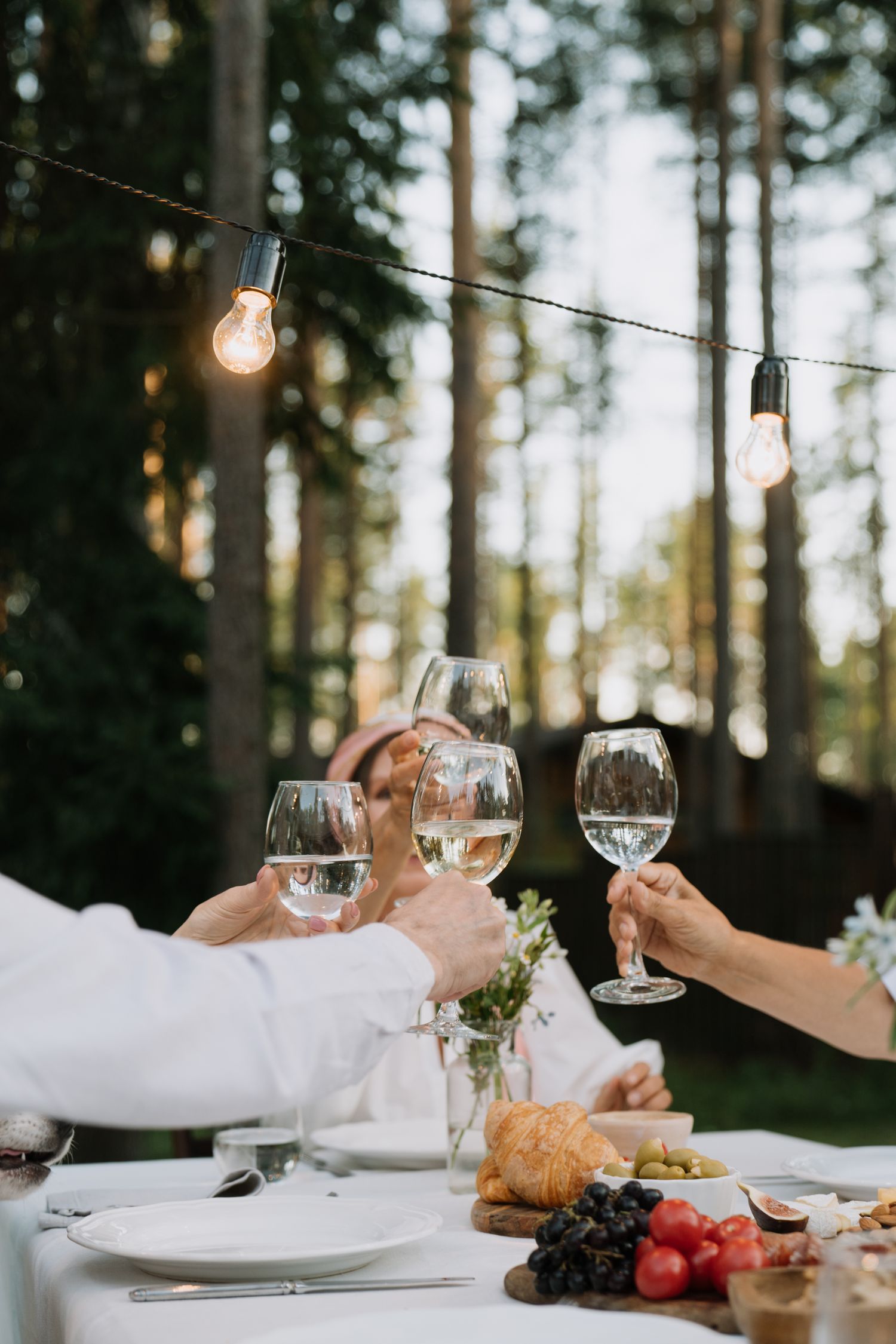
If your existing speaker comfortably covers the space, use it. For a larger Melbourne backyard, speeches, karaoke or a defined dance area, you can compare a JBL PartyBox 320, speaker + wireless mic package or party lighting. Speaker Hire Hub equipment is for Melbourne pickup; the party-planning ideas in this guide are useful Australia-wide.
Tick items off as you go. Your progress is saved in this browser. You can also copy the list or print it.